
Marbella has taken one of the most important urban-planning steps in its modern history. In February 2026, the Junta de Andalucía gave the green light to Marbella’s new PGOM (Plan General de Ordenación Municipal), a strategic planning document designed to replace the framework that has effectively governed the municipality since the 1986 PGOU (Plan General de Ordenación Urbana).
For Marbella — a town whose international prestige is closely tied to its luxury property market, urban development and environmental surroundings — this change is far more than administrative. It represents a move toward a more modern, legally robust and sustainable planning model that could influence future property developments, infrastructure projects and long-term investment security across the municipality.
For buyers, investors and property owners, the new PGOM is therefore something worth understanding, because urban planning plays a major role in shaping property values, development potential and the overall quality of life in Marbella.
Article Index
- Why Urban Planning Matters So Much in Marbella
- What Exactly Is the PGOM?
- Understanding the Legacy of the 1986 PGOU
- Key Land-Use Figures in the New PGOM
- What This Means for Marbella’s Prime Property Areas
- New Development and Housing Strategy
- Environmental Protection and Sustainable Growth
- Recent Related Developments Since the PGOM Approval
- What the PGOM Does Not Solve Yet
- What This Means for Property Buyers and Investors
- Every Home Marbella’s Perspective
- Conclusion
- Thinking of Buying Property in Marbella?
Why Urban Planning Matters So Much in Marbella
Unlike many other towns in Spain, Marbella’s planning history has been unusually complex. The municipality experienced rapid growth during the 1990s and early 2000s, driven by tourism, international buyers and luxury residential developments. This expansion was originally governed by the 1986 PGOU, which was designed for a much smaller town with far fewer residents and a very different property market.
The 2010 Plan and the Return to the 1986 PGOU
In 2010, Marbella approved a new masterplan intended to modernise its planning framework. However, the Spanish Supreme Court annulled that plan in 2015, forcing Marbella to revert to the 1986 PGOU.
This created an unusual situation in which one of Europe’s most dynamic real-estate markets was operating under planning rules conceived over three decades earlier.
For years, the consequences included:
- Planning uncertainty for some developments
- Increased complexity in building licences and legal checks
- A framework that did not fully reflect modern infrastructure, environmental standards or population growth
The approval of the new PGOM is therefore widely seen as a crucial step toward restoring long-term planning clarity.
What Exactly Is the PGOM?
The PGOM (Plan General de Ordenación Municipal) is the strategic urban planning document that defines how a municipality will grow and evolve over time.
Under Andalucía’s new LISTA planning law, urban planning is divided into two complementary documents:
PGOM — Strategic Planning Framework
The PGOM establishes the big-picture structure of the municipality, including:
- Land classification (urban, rural, protected areas)
- Major development zones
- Environmental protections
- Infrastructure planning
- Long-term territorial strategy
POU — Detailed Urban Planning
The POU (Plan de Ordenación Urbana) will follow later and will provide the detailed rules governing:
- Specific building regulations
- Plot-level development conditions
- Urban design parameters
- Infrastructure implementation
In simple terms:
PGOM = strategic vision
POU = operational detail
Marbella is the first municipality in Andalucía to advance a general urban plan under the new LISTA framework.
Understanding the Legacy of the 1986 PGOU
To understand why the new PGOM is important, it helps to look briefly at the role played by the 1986 PGOU.
What the 1986 Plan Achieved
When it was approved, the 1986 PGOU provided Marbella with a structured framework for growth by:
- Defining the town’s urban boundaries
- Classifying developable and protected land
- Establishing the first coordinated model for urban expansion
At the time, Marbella was still evolving from a small coastal town into an international tourism destination.
Why It Became Outdated
Four decades later, Marbella has transformed dramatically:
- Population growth
- Expansion of luxury residential areas such as Sierra Blanca, Nueva Andalucía and Los Monteros
- Increased infrastructure needs
- Higher environmental standards
- A far more complex international property market
Operating under the 1986 PGOU therefore meant Marbella was using planning rules designed for a town that no longer existed.
The new PGOM attempts to align the planning framework with the real Marbella of today.
Key Land-Use Figures in the New PGOM
According to planning analyses published following the Junta’s approval, Marbella’s territory covers approximately 117 million square metres.
Within that area, the new PGOM classifies land broadly as follows:
- Urban land: ~53 million m²
- Rustic land: ~64 million m²
Of the rustic land:
- Around 30 million m² could potentially be transformed into urban land in the future, subject to environmental and planning conditions.
Important Clarification
This does not mean immediate development rights.
Transformable land must still go through:
- Detailed planning approvals
- Infrastructure planning
- Environmental compliance
- The future POU regulations
What This Means for Marbella’s Prime Property Areas
For the areas where Every Home Marbella’s properties are concentrated, the immediate impact will likely be greater legal clarity rather than rapid physical change.
Key prime areas include:
- Golden Mile
- Sierra Blanca
- Nueva Andalucía
- Las Chapas
- Los Monteros
- East Marbella
- San Pedro and Benahavís surroundings
New Development and Housing Strategy
The PGOM also introduces a structural requirement aimed at balancing growth and accessibility.
The 40% Protected Housing Rule
At least 40% of housing capacity must be reserved for protected housing.
Environmental Protection and Sustainable Growth
Another key difference between the 1986 PGOU and the new PGOM is the stronger integration of environmental sustainability.
- Protection of mountain and natural areas
- Preservation of green corridors
- Improved water management and flood-risk planning
- Sustainable infrastructure development
Recent Related Developments Since the PGOM Approval
In the weeks following the approval of the PGOM, several planning and development initiatives have continued to emerge across Marbella.
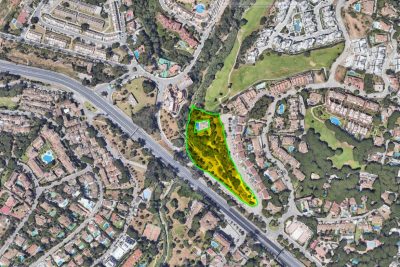 Municipal Land for New Housing
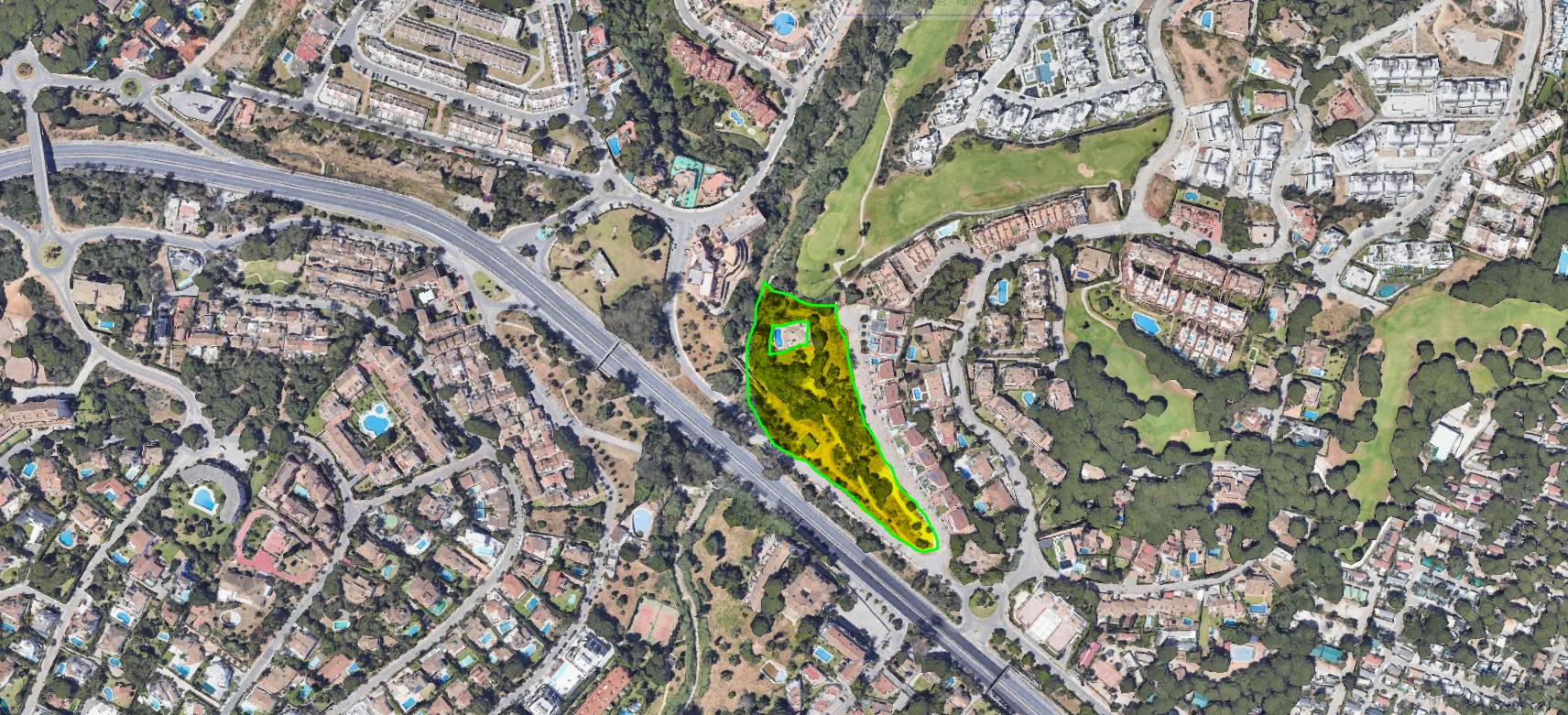
In early March 2026, Marbella council announced the sale of a municipal plot in Artola Alta (Las Chapas) for the development of 44 terraced homes.
City of Justice Project
The proposed Marbella City of Justice also entered public consultation in March 2026.
What the PGOM Does Not Solve Yet
While the new plan is a major milestone, it does not immediately resolve every planning question in Marbella.
- Some legal issues linked to past planning irregularities
- Detailed development regulations pending in the POU
- Legal due diligence remains essential
What This Means for Property Buyers and Investors
For international buyers considering property on the Costa del Sol, the new PGOM sends a broadly positive signal.
Why This Matters for Buyers
- Greater legal clarity
- More predictable long-term development
- Increased confidence in property investment stability
Every Home Marbella’s Perspective
At Every Home Marbella, we see the approval of the new PGOM as an important step toward a more stable future for Marbella’s property market.
Conclusion
Marbella’s new PGOM marks the beginning of a new planning era after decades of reliance on the 1986 PGOU.
Thinking of Buying Property in Marbella?
If you are considering investing in Marbella or the surrounding Costa del Sol, our team at Every Home Marbella will be happy to guide you through the process.
Contact Every Home Marbella today to explore the best opportunities currently available in Marbella’s prime locations.
📞 (+34) 647 968 943
✉ info@everyhomemarbella.com
🌐 www.everyhomemarbella.com